From Sloth to Cheetah to Bear
Decoding the evolution of muscle physiology
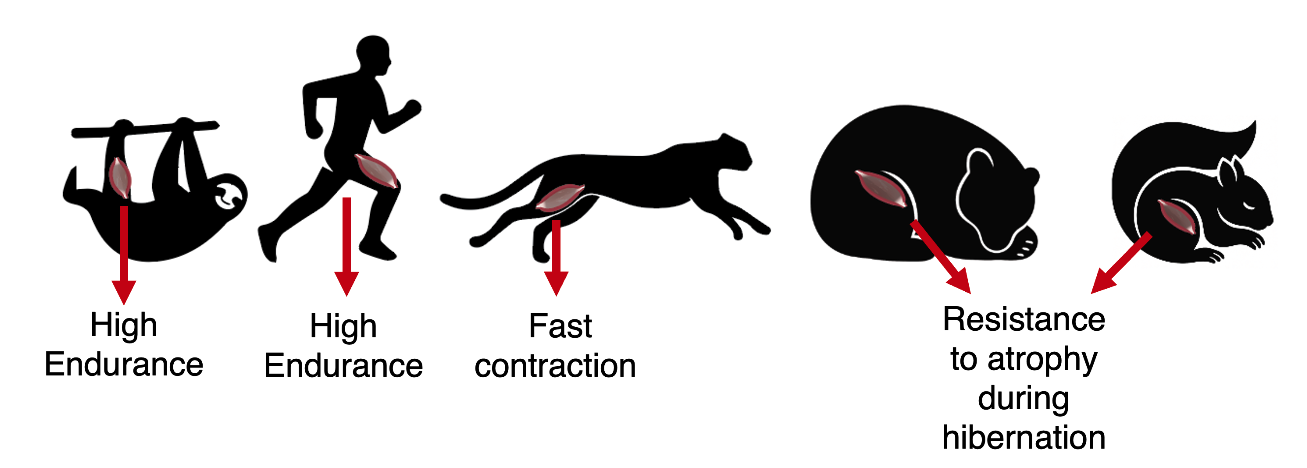
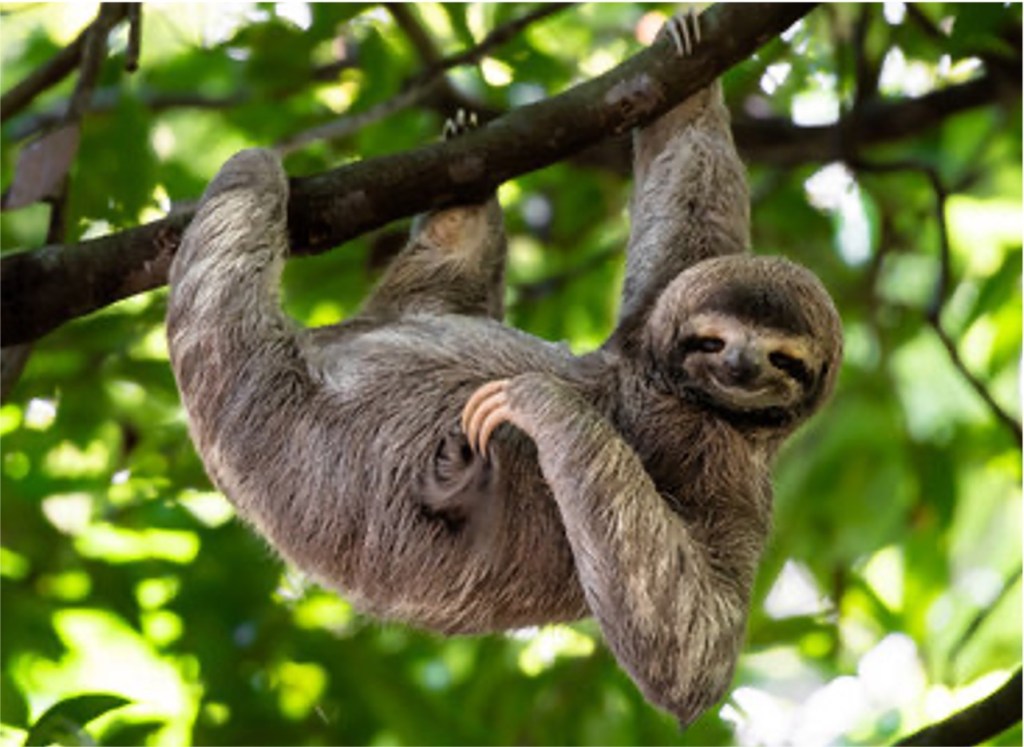
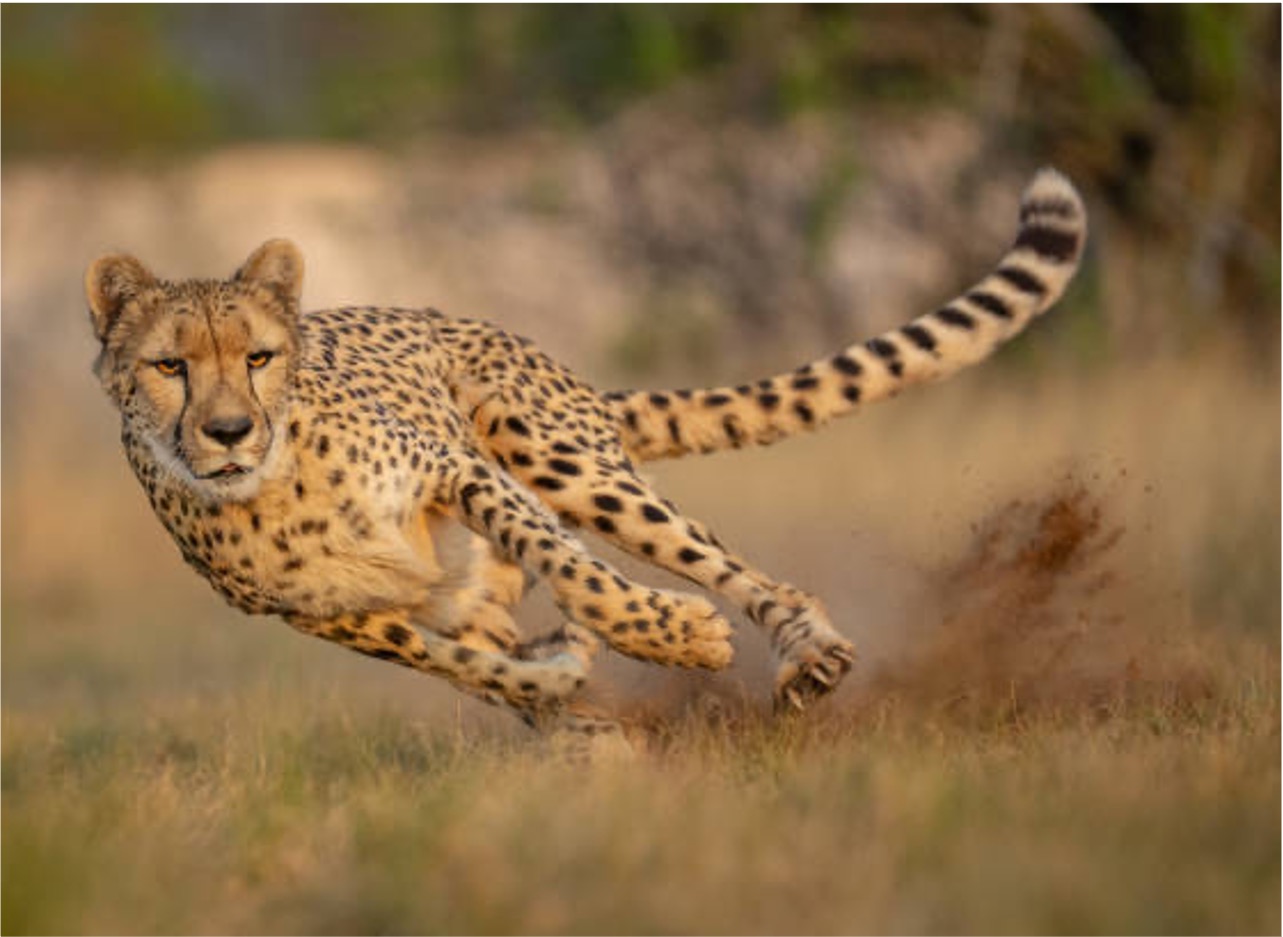
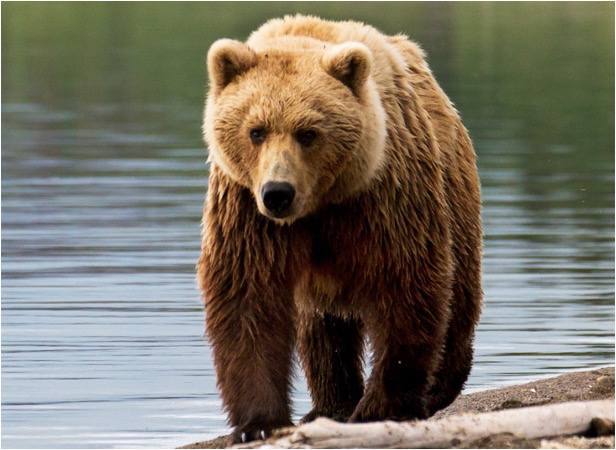
Why do cheetah muscles contract so fast, sloth muscles so slowly, and hibernating mammals preserve muscle during months of inactivity?
The Dos Santos Lab studies how evolution generated extraordinary skeletal muscle adaptations across mammals. By combining comparative genomics, single-nucleus multiomics, muscle physiology, mouse models, and 3D muscle organoids, we aim to discover new mechanisms that protect muscle in disease and aging.
Our lab officially launched on September 1, 2026, in the Department of Developmental Biology at Washington University School of Medicine in St. Louis.
We are currently recruiting postdoctoral fellows and PhD students interested in studying extraordinary skeletal muscle adaptations across species. Please contact Matthieu Dos Santos at matthieu.dossantos@wustl.edu.